
What Is Property Management Software? A Guide for Landlords, Agents and Property Professionals
Managing properties involves much more than collecting rent and responding to maintenance requests. From arranging repairs and coordinating contractors to managing compliance requirements, maintaining property records and communicating with tenants, there can be a lot for property professionals to keep track of.
For landlords, letting agents, property managers, social housing providers and sheltered accommodation providers, managing these responsibilities manually through emails, phone calls, spreadsheets and messaging apps can quickly become difficult.
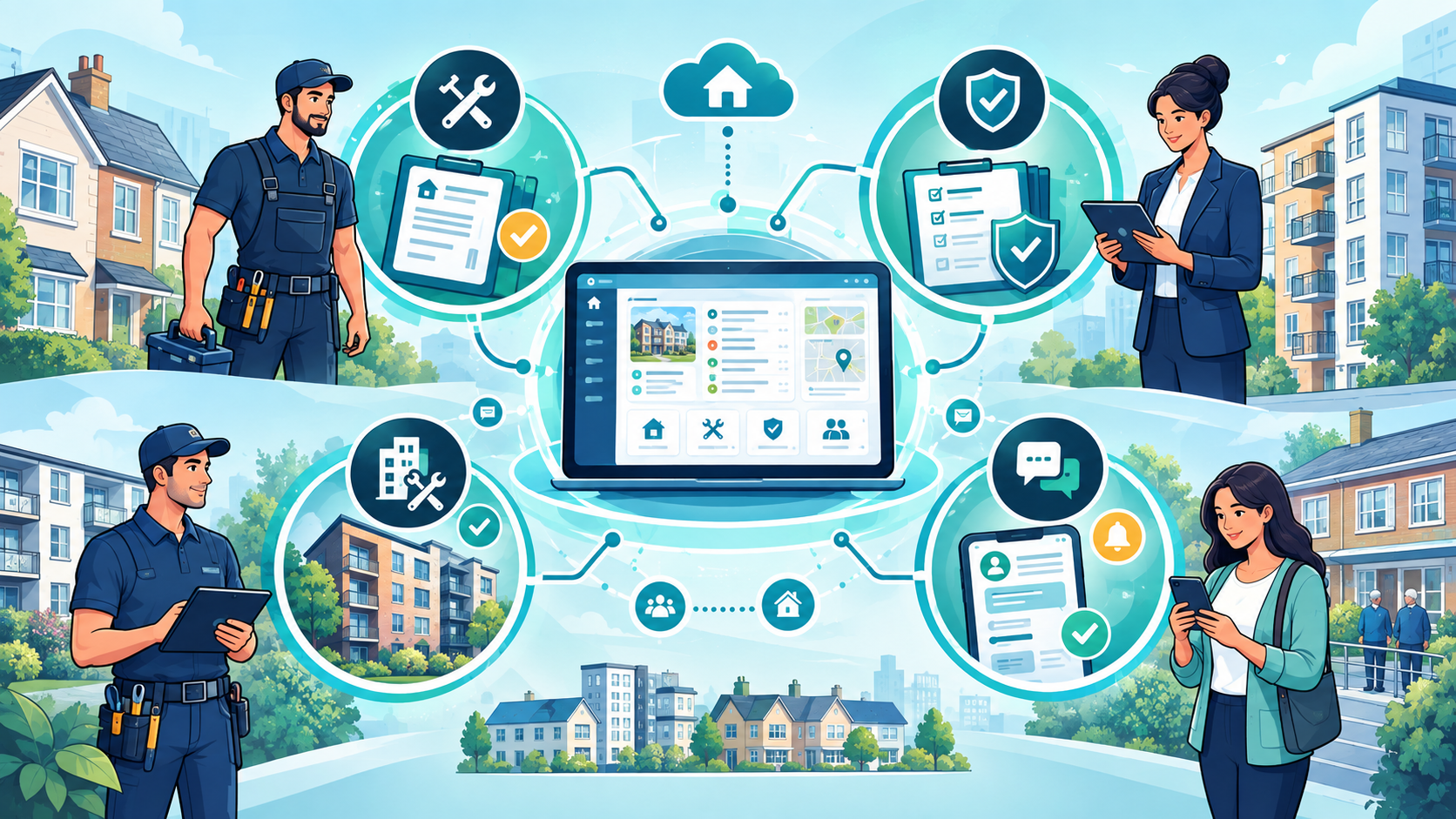
This is where property management software with Fiixit can help. By bringing repairs, compliance, maintenance, communication and property information together in one place, software can provide a more structured and connected way to manage properties.
For Fiixit, these areas are built around four key pillars:
- Repairs – managing reported issues and repair jobs
- Compliance – keeping important requirements, records and actions organised
- Maintenance – managing ongoing property maintenance and contractor activity
- Tenant Hub – connecting tenants with property professionals and keeping communication in one place
While each pillar can provide different benefits depending on the organisation using the platform, they are closely connected and work together to support more effective property management.
What Does Property Management Involve?
Property management covers the wide range of activities required to keep properties safe, functional, compliant and well maintained.
Depending on the type and size of property portfolio, just a snapshot of a property management software tasks can include:
✅ Receiving and recording repair requests
✅ Assessing the urgency of reported issues
✅ Assigning jobs to suitable tradespeople
✅ Arranging appointments and access
✅ Getting quotes for repair work
✅ Managing ongoing maintenance
✅ Coordinating contractors and trades
✅ Keeping tenants updated on progress
✅ Recording completed work
✅ Maintaining accurate property records
These responsibilities apply across a range of property sectors. A letting agent may be managing repairs across hundreds of rental properties, while a landlord may be responsible for a smaller portfolio. Property managers, social housing providers and sheltered accommodation providers can also face significant maintenance, compliance and communication requirements across larger or more complex portfolios.
With so much information to manage, having a centralised system can make it easier to maintain visibility and keep important tasks organised.
Why Can Property Management Be Difficult to Manage Manually?
Many property professionals still rely on a combination of emails, telephone calls, spreadsheets and messaging applications to manage their properties.
While these methods can work for a small number of properties, they can become increasingly difficult to manage as portfolios grow or property management responsibilities become more complex.
For example, a single repair could involve a tenant reporting an issue, a property manager reviewing the request, a contractor being contacted, an appointment being arranged, the tenant receiving an update, photographs being provided and the completed work being recorded.
If this information is spread across different systems, it can be difficult to see the full history of a job or understand what action still needs to be taken.
Manual processes can also lead to missed or delayed repair requests, reduced visibility into outstanding jobs, time-consuming administration, and communication delays.
For organisations managing larger property portfolios, these challenges can become even more significant.
What Is Property Management Software?
Property management software is a digital platform designed to help property professionals manage the different responsibilities involved in managing properties.
Rather than relying on multiple systems, property management software can bring key activities into one central platform. Depending on the software, users may be able to manage repairs, maintenance, compliance, contractors, appointments, communication and property records from a single location.
This can include many of the functions traditionally associated with property maintenance software, while providing a broader approach to property management.
A property management app can also provide access to relevant information through a mobile device, allowing property professionals, tenants and tradespeople to interact with the system while away from the office.
The exact features vary between platforms, but the overall purpose is to simplify property management, improve visibility and connect the people involved.
What Are the Benefits of Property Management Software?
1. Keep Repairs Organised
A central system makes it easier to see which repairs have been reported, which are in progress and which have been completed.
Instead of searching through emails or messages, users can access relevant job information from one place.
2. Reduce Administrative Work
Property management can involve a significant amount of repetitive administration. Software can help streamline processes such as assigning jobs, sending updates, arranging appointments and keeping records.
This can give property professionals more time to focus on other aspects of managing their properties.
3. Improve Communication
Good communication is important when dealing with property repairs and maintenance.
Tenants want to know that their issue has been received and understand what is happening next. At the same time, contractors need accurate information about the job and access arrangements.
A central platform can help keep communication connected to the relevant repair or property, reducing the need to search through different conversations.
4. Track Repairs From Start to Finish
Property management software can provide greater visibility over individual jobs.
Users can see when a repair was reported, what action has been taken, whether a contractor has been assigned and whether the work has been completed.
This can make it easier to identify outstanding repairs and prevent jobs from being forgotten.
5. Maintain Better Records
Keeping an accurate history of property repairs and maintenance can be important for property professionals.
A digital system can store information about previous work, communications, photographs and other relevant documentation, creating a clearer record for each property or repair.
6. Manage Tradespeople More Efficiently
Property professionals may work with a wide range of contractors and tradespeople. Coordinating different jobs and contractors manually can become complicated.
Property management software can help centralise trade information and make it easier to assign, monitor and record work.
7. Support Property Compliance
Property management, maintenance and compliance are closely connected.
Depending on the type of property and organisation, there may be important requirements, deadlines and documentation to manage.
This can be particularly relevant for social housing and sheltered accommodation, where property-related responsibilities and compliance requirements can be more complex.
Software with compliance management features can help property professionals monitor requirements and keep relevant information organised.
Who Can Use Property Management Software?
Property management software can benefit a wide range of organisations and individuals responsible for managing properties, repairs, maintenance and tenants.
Letting Agents
For letting agents, software can provide a centralised way to manage maintenance across multiple properties and tenants.
Instead of handling every repair individually through emails and phone calls, agents can manage jobs through a structured workflow.
Landlords
Landlords with multiple rental properties can use property management software to improve visibility over repairs, maintenance and contractor activity without having to manage every communication manually.
It can also provide a clearer record of work carried out across their portfolio.
Property Managers
Property managers are responsible for coordinating multiple aspects of property management and may oversee large portfolios with numerous tenants, contractors and ongoing maintenance requirements.
A central platform can help property managers maintain visibility across repairs, maintenance, compliance and communication.
Social Housing Providers
Social housing providers can face significant responsibilities when managing repairs, property conditions, compliance and tenant communication across larger portfolios.
Property management software can provide a centralised approach to managing these activities, helping teams keep information organised and track outstanding work.
Sheltered Accommodation Providers
Sheltered accommodation can have additional property management and compliance considerations, alongside the need to maintain effective communication with residents and manage repairs promptly.
A connected platform can help bring relevant property, maintenance, repair and communication information together.
Tenants
Tenants and residents can also benefit from simpler ways to report problems and receive updates about their repairs.
A property management app can make it easier to communicate issues without relying solely on telephone calls or emails.
How Can a Property Management App Streamline Repairs and Maintenance?
A property management app can make property management more accessible by connecting the people involved in a repair or maintenance job.
For example, a typical repair process could look like this:
- Tenant reports an issue
The tenant submits details of the problem, potentially including photographs or videos to help explain the issue.
- The repair is reviewed
The landlord, letting agent or property manager can assess the request and determine what action is required.
- A trade is assigned
The job can be passed to an appropriate contractor with the relevant information.
- The appointment is arranged
The parties involved can coordinate access and appointment details.
- The work is completed
The tradesperson carries out the repair and provides relevant updates or evidence of the completed work.
- The job is recorded
The maintenance history can be retained within the system for future reference.
Having this process managed through one platform can reduce unnecessary administration and make it easier for everyone involved to understand what is happening.
The Four Pillars of Fiixit
How Fiixit Helps With Property Management
Fiixit is a property repairs and compliance platform designed to connect landlords, letting agents, property managers, tenants and tradespeople within one system.
Rather than managing property-related activity through separate spreadsheets, emails and messaging platforms, Fiixit provides a central place to manage repairs, communication, maintenance and compliance.
The platform can help with areas such as repair reporting, job management, trade coordination, appointments, communication and property records.
For letting agents, landlords and property managers, this means having greater visibility over property activity. Tenants can report issues and follow the progress of their repairs, while tradespeople can receive the information they need to carry out assigned work.
Fiixit also brings its four pillars together, providing a connected approach to repairs, compliance, maintenance and tenant communication.
Is Property Management Software Worth It?
For property professionals managing several properties, the amount of time spent coordinating repairs, maintenance, contractors and communication can quickly add up.
Property management software can help reduce this administrative burden by bringing key activities into one central system. It can make it easier to track repairs, communicate with tenants and contractors, maintain records and keep an overview of outstanding work.
For larger organisations, including social housing and sheltered accommodation providers, having a structured system can also help teams manage complex property-related responsibilities across a wider portfolio.
The right platform should ultimately make property management simpler, more organised and easier to manage.
For property professionals looking to move away from fragmented processes, a property management platform such as Fiixit can provide a more connected approach to managing repairs, compliance, maintenance and tenant communication.
Contact Fiixit Today
Property management involves a wide range of responsibilities, from repairs and maintenance to compliance and tenant communication. When these activities are handled manually across multiple channels, it can be difficult to maintain visibility and keep everything organised.
Property management software provides a centralised approach, helping landlords, letting agents, property managers, social housing providers and sheltered accommodation providers manage key property-related activities more efficiently.
Fiixit brings repairs, compliance, maintenance and tenant communication together in one platform, helping property professionals create a more connected way to manage their properties.
Contact Fiixit today to find out how the platform can support your property management processes.
- About the Author
- Latest Posts

James Smith
With 25 years of experience in the technology industry, James brings a proven track record in commercial stewardship and transforming financial systems, delivering streamlined and scalable solutions. Now focused on applying this expertise to drive innovation and efficiency in the property sector.
James Smith
- New Student Tenancies: How Property Management Software Can Help Landlords · 2 October 2026
- Preventing Futile Call-Outs: How Letting Agents Can Eliminate Misdiagnosed Property Repairs · 26 June 2026
- From Compliance to Revenue: How Letting Agents Can Turn the 2026 PRS Database into a Management Win · 21 May 2026
Contact us
If you're not quite ready to create an account and would like more information about how the Fiixit platform can transform your property repair and compliance process, please reach out to us.
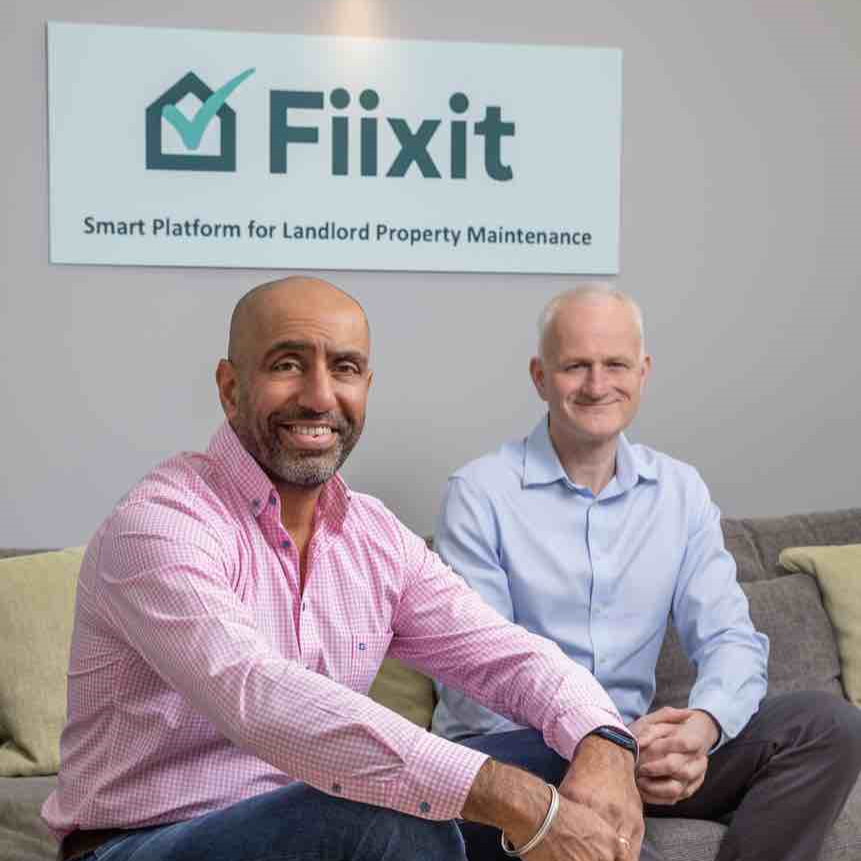
With the development of the Fiixit platform, we’re looking to transform how landlords, tenants and tradespeople work together, removing some of the day-to-day headaches that comes with repairs and compliance management. We believe this will become an important part of the landlord toolkit, supporting them to efficiently manage their property portfolio and fostering positive tenant relationships.
Taj Sohal & James SmithExperienced Landlord and Fiixit Co-Founders.


Sarah Brennan
Trade
Samuel Martin
Trade
Charlotte West
Tenant
Rachel Mulgrew
Tenant
Joe McClellan
Tenant